


What actually matters when choosing a payment processor in Canada
See what matters when choosing a payment processor in Canada, from fees and flexibility to support and checkout.
 Calculating time...
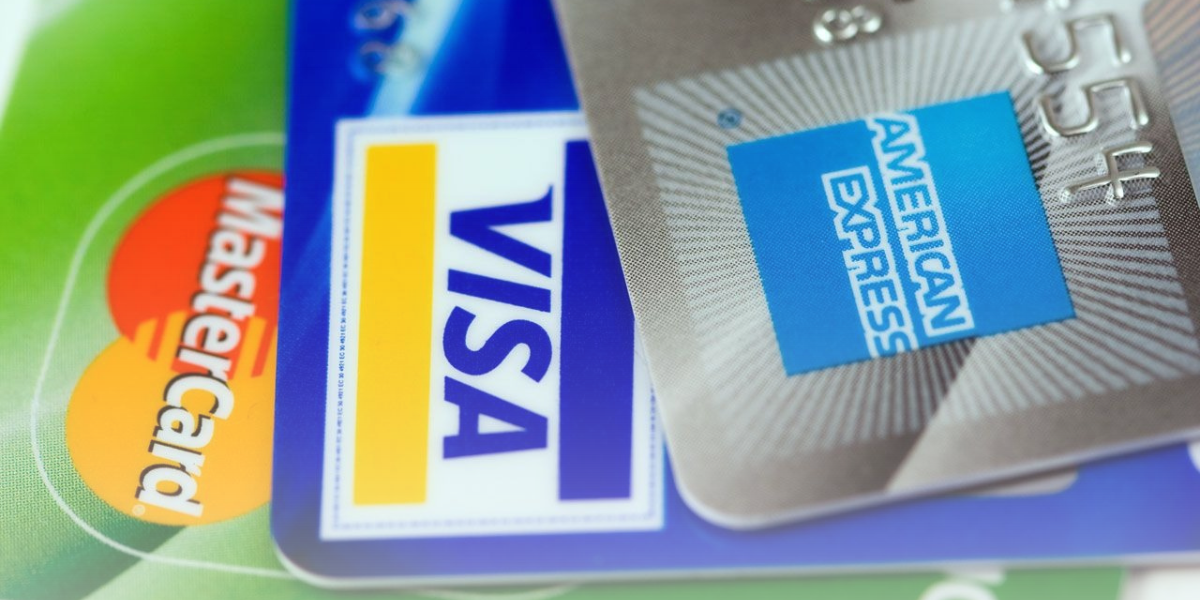
Understanding the distinctions between major credit card networks like Visa, Mastercard, American Express, and UnionPay can be crucial for businesses and consumers alike. This guide will dive into the unique features of each card network, helping you as a merchant to navigate the complexities of payment processing.
Visa is one of the most widespread payment networks globally, and it is accepted in over 200 countries. Its ubiquity makes it a go-to for merchants and consumers. Visa offers a range of products, from debit and credit cards to prepaid solutions. For businesses, the universal acceptance of Visa means access to a vast customer base.
Similar to Visa, Mastercard enjoys wide global acceptance, ensuring that it is a preferred choice in numerous countries. Mastercard differentiates itself with unique benefits and rewards programs, which can be particularly appealing for credit card holders. For merchants, offering Mastercard can mean tapping into a network known for innovation, such as contactless and mobile payment solutions.
American Express, commonly referred to as Amex, sets itself apart in the credit card network landscape by operating as its own issuing bank. This unique position allows American Express to offer a suite of services that are distinctively tailored to high-end consumers and business clients. Unlike Visa and Mastercard, which partner with multiple banks to issue cards under their network, American Express maintains stringent control over its products and services, providing a more integrated customer experience.
American Express is renowned for its exceptional customer service and robust reward programs. These rewards programs are highly appealing to a demographic that values premium experiences and services. For example, American Express cardholders often enjoy benefits such as access to exclusive events, complimentary travel insurance, and extensive rewards points systems that can be redeemed for travel, dining, shopping, and more. Such offerings not only attract affluent customers but also encourage higher spending on the Amex card, thus benefiting merchants who accept these cards.
For merchants, the decision to accept American Express cards involves considering the higher fees associated with transactions. Amex typically charges merchants higher interchange fees than Visa or Mastercard. This is often seen as a trade-off for accessing the spending power of wealthier consumers who may use their Amex cards more frequently, particularly in high-value transactions. Research indicates that American Express cardholders tend to spend up to three times more than non-Amex cardholders, which can translate to significant revenue for businesses willing to absorb the higher transaction costs.
For businesses that choose to use an AMEX credit card processor, the ability to accept American Express can be a critical factor in enhancing customer satisfaction and loyalty. High-spending clients often prefer to use their American Express card to take advantage of the rewards associated with their purchases. By accommodating these preferences, merchants can improve their service offerings, enhancing the overall customer experience. This is particularly important in luxury retail, hospitality, and high-end services, where customer expectations are significantly higher.
Merchants must weigh the cost of higher fees against the benefits of increased sales and customer loyalty. For many businesses, particularly those in premium sectors, accepting American Express is a strategic decision that aligns with a customer base that values and expects the option to pay with their preferred Amex card. Additionally, American Express offers marketing and data insights to its merchants, helping them to understand their customers better and tailor their offerings accordingly.
UnionPay, established and headquartered in China, stands as a pivotal player in the global payment card network. Its inception was primarily to cater to the needs of the Chinese market, but it has since seen expansive international growth, spreading across continents. This expansion is driven by China's growing global influence and the increasing international travel habits of its population.
UnionPay has a particularly strong presence in Asia, making it the preferred method of payment for many consumers across the region. Its dominance is not just in mainland China but extends to neighboring countries where cross-border transactions are frequent. For merchants in Asia and those targeting Asian consumers, accepting UnionPay is almost a necessity, as it significantly widens the potential customer base. This is especially crucial in areas with high volumes of Chinese tourists, who are known to prefer using payment methods familiar to them from back home.
The travel habits of Chinese tourists illustrate a critical market segment. China is one of the top sources of outbound tourists globally, and these travelers tend to spend substantial amounts during their trips. For businesses located in tourist-heavy destinations—whether luxury retailers in Europe, hotels in Southeast Asia, or attractions in North America—the ability to accept UnionPay can directly influence sales. Tourists are more likely to spend more freely when convenient payment options are available that do not require currency exchange or the use of secondary banking services.
The international expansion of UnionPay has been strategic and extensive. Today, UnionPay cards are accepted in over 180 countries and regions, and the network continues to grow. This widespread acceptance is facilitated through partnerships with local banks and financial institutions around the world, allowing UnionPay cardholders to access their funds effortlessly while abroad. For merchants, this means that by accepting UnionPay, they not only cater to tourists but also to expatriates and international students from China who reside in their country.
Accepting UnionPay opens up a host of opportunities for merchants outside China. This includes not only tapping into the growing market of Chinese consumers travelling abroad but also connecting with local Asian communities that use UnionPay. In addition, UnionPay offers lower transaction fees in some cases compared to other international networks, which can be a cost-effective option for merchants.
For businesses aiming to maximize their appeal to a broad and international audience, integrating UnionPay into their payment options is a strategic move. The ability to accept UnionPay is not just about accommodating a payment method; it's about welcoming a significant segment of the global consumer market, enhancing customer experience, and increasing sales opportunities. As China continues to assert its economic influence globally, the relevance of UnionPay is only expected to grow, making it an indispensable asset for merchants around the world.
UnionPay, Visa, Mastercard, and American Express are all major players in the global payment network, but they each offer distinct features and benefits that cater to different user needs. Here’s how UnionPay stacks up against these other well-known brands:
In conclusion, while Visa and Mastercard offer the broadest global acceptance, American Express leads in premium services, and UnionPay offers advantages for those traveling to or within Asia, thanks to its localized benefits and expanding global footprint. Each network has its strengths, and the best choice depends on the cardholder’s specific needs and travel habits.
Selecting a payment processor that effectively supports major card networks like Visa, Mastercard, American Express, and UnionPay is crucial for any business aiming to provide seamless payment experiences to its customers. This decision can have significant implications on your operational efficiency and customer satisfaction. Let’s explore the key factors to consider when choosing the right payment processor for your needs.
The first step in choosing a payment processor is understanding your customer base and their preferred payment methods. Different demographics and markets can have distinct preferences and needs. For example, if your business caters largely to international customers, including tourists from Asia, having a processor that accepts UnionPay might be essential. Similarly, if your target market includes high-net-worth individuals who prefer premium services, then accommodating American Express would be beneficial.
A payment processor that supports a wide range of card networks will broaden your customer reach and streamline transaction processes. Businesses benefit from a processor that not only handles the common networks like Visa and Mastercard but also accommodates other significant players such as American Express and UnionPay. This comprehensive support ensures that you can cater to virtually any customer that walks through your door or visits your online store, thus enhancing the user experience and potentially increasing sales volumes.
Each card network has its own set of fees associated with transactions, and these can vary significantly. When choosing a processor, it’s important to compare these fees as they will impact your bottom line. Some processors offer lower rates for certain networks but higher for others. It’s essential to analyze your sales data to determine which cards are most often used by your customers and select a processor that offers competitive fees for those networks.
A versatile AMEX credit card processor, which also handles transactions from Visa, Mastercard, and UnionPay, can be a strategic asset. This versatility ensures that you can accept payments from a diverse range of customers without compatibility issues. Moreover, check for the processor's ability to integrate with your existing systems—such as e-commerce platforms, point-of-sale systems, and accounting software. Seamless integration helps in maintaining efficiency and accuracy in financial management.
Security is paramount in payment processing. Choosing a processor that adheres to the highest security standards, including PCI DSS compliance, ensures that customer data is protected against breaches. This not only safeguards sensitive information but also builds trust with your customers, showing that you value their security.
Finally, evaluate the reliability and customer support offered by the processor. Effective support can drastically reduce downtime and resolve payment issues quickly, ensuring that your operations run smoothly. A processor that provides robust support and guarantees high uptime is essential for maintaining continuous business operations without interruptions.
Choosing the right payment processor involves a careful assessment of your business needs, customer preferences, and operational requirements. A processor that supports all major card networks and offers competitive fees, high security, seamless integration, and reliable customer support will position your business for success in the competitive retail landscape. Remember, the goal is to provide a frictionless payment experience that meets the expectations of all your customers, thereby enhancing their overall satisfaction and loyalty to your brand.
Switching to a new payment processing solution is a significant decision for any business, large or small. This change can affect many aspects of your operations, from the daily transaction process to overall customer satisfaction.
One of the primary concerns for any merchant is the cost associated with payment processing. It’s essential to choose a processor that offers transparent pricing without hidden fees. Clear, upfront information about transaction fees, monthly fees, and any additional charges helps businesses budget effectively and avoid unexpected expenses. This transparency is not only a sign of a processor's integrity but also builds trust, as businesses feel more secure in knowing exactly what services they are paying for and how these costs are structured.
With increasing incidences of data breaches and fraud, security is a top priority in payment processing. Merchants must ensure that their chosen payment processor adheres to the highest security standards. This includes compliance with the Payment Card Industry Data Security Standard (PCI DSS), which sets the framework for protecting cardholder data during and after transactions. Additionally, features like encryption, tokenization, and fraud detection tools are crucial for safeguarding sensitive information. A processor that can demonstrate advanced security capabilities offers peace of mind to merchants and their customers alike.
Effective and accessible customer support is critical when switching to a new payment processing solution. Issues such as transaction errors, hardware problems, or software glitches need prompt resolution to prevent disruption to business operations. A processor with a dedicated support team that’s available 24/7 ensures that you can receive assistance whenever needed. This support should be knowledgeable and responsive, capable of resolving issues quickly and efficiently to maintain business continuity.
For a seamless transition, the new payment processor must be compatible with your existing business systems, such as your point-of-sale (POS) system, e-commerce platform, accounting software, and other operational tools. This compatibility minimizes disruptions and reduces the learning curve for staff. It’s important to choose a processor that offers easy integration with a wide range of systems and provides guidance and support during the integration process.
As businesses grow and evolve, their payment processing needs can change. A flexible payment processor that can scale according to your business size and transaction volume is vital. Whether you’re expanding to new markets, increasing your product lines, or enhancing your service offerings, your processor should be able to support these growth phases without requiring frequent system changes or upgrades.
Finally, understanding other merchants' experiences with a potential payment processor can provide valuable insights into their reliability and efficiency. Look for reviews, testimonials, and case studies that highlight the processor’s performance. Pay attention to feedback regarding system reliability, ease of use, and customer service quality. These real-world insights can help you make a more informed decision and choose a processor that truly meets your business needs.
Understanding the differences between Visa, Mastercard, American Express, and UnionPay is more than just recognizing logos. It involves understanding their reach, the benefits they offer to cardholders, and the costs and benefits to merchants. As digital and card payments continue to evolve, choosing the right payment solutions can provide a competitive edge and support business growth. Whether you're a small cafe or a large e-commerce platform, the right mix of payment options can significantly impact your customer satisfaction and bottom line.

What actually matters when choosing a payment processor in Canada
See what matters when choosing a payment processor in Canada, from fees and flexibility to support and checkout.

What Canadian small businesses actually pay for a POS system
Compare POS system costs in Canada, including hardware, software, payment processing and support, to find the right fit for your small business.

Learn how gift card profits, unused balances and provincial expiry rules can help grow your small business revenue.

Get practical insight into buy now, pay later in Canada, from how instalment payments work for merchants to what each holiday sale costs your store.