
How modern payment tools support Canadian RMTs

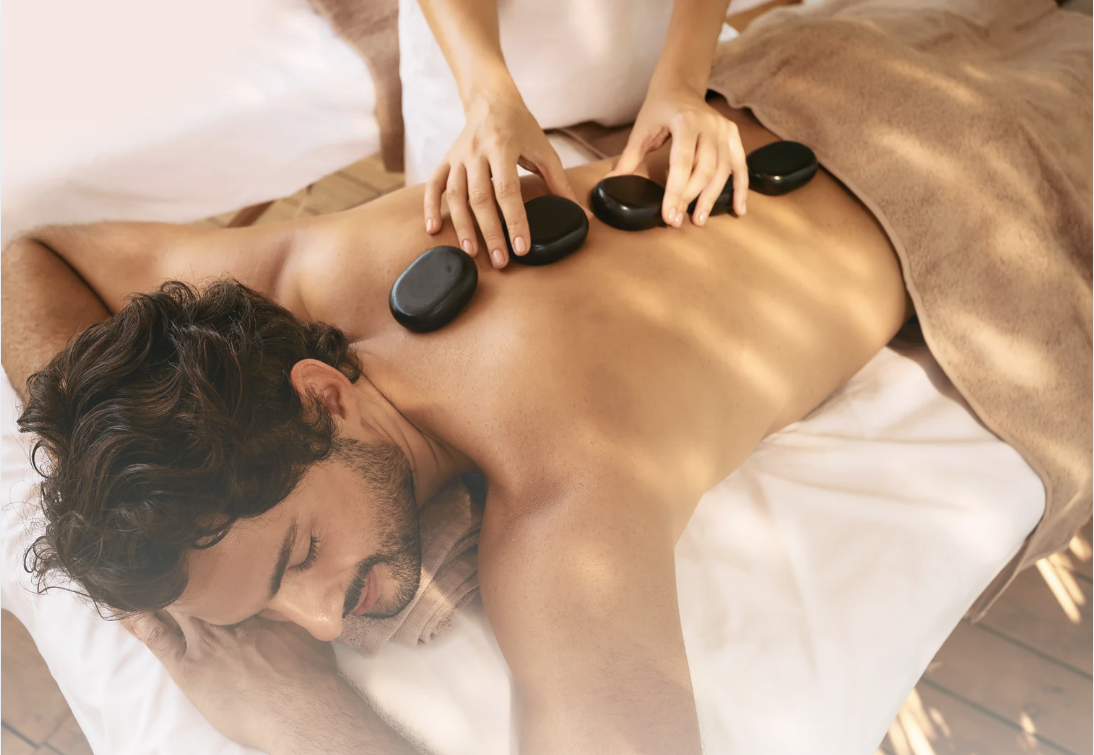
customer getting a spa

From checkout to receipts, the way clients pay influences how organized and professional a practice feels.

Key takeaways

  1. Build trust by treating payments as part of the client experience, not just a transaction. 
  2. Simplify day-to-day operations with payment tools that are reliable and easy to manage. 
  3. Adapt payments to fit different practice setups, from in-home visits to clinics. 
  4. Maintain professionalism with clear checkout, digital receipts and consistent payment processes. 
  5. Support steady, sustainable growth by making it easier for clients to return, recommend and rebook. 

For registered massage therapists in Canada, payments are part of the overall client experience. From checkout to receipts, the way clients pay influences how organized and professional a practice feels. 

Modern payment tools help streamline these everyday interactions. They make it easier to accept common payment types, issue consistent receipts for insurance submissions and manage transactions without adding extra steps to your workflow. 

Here’s how the right payment setup can support Canadian RMT practices in practical, day-to-day ways. 

Create a simple and efficient checkout experience 

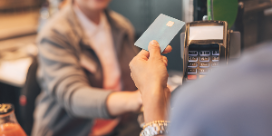
When paying is easy and familiar, the visit ends on a calm, professional note. Most clients expect to tap their card or phone, pay quickly and move on with their day. When that works without interruption, it reinforces that your practice is organized and well run. There’s no extra explanation needed and no confusion about what to do next. 

Clear pricing also matters at this stage. Clients want to know what they’re paying and see that amount reflected accurately on their receipt. A clean, straightforward receipt helps them keep their own records and refer back to the visit later if needed. 

 When checkout works the same way at every appointment, clients feel comfortable and know what to expect. That familiarity makes the whole experience feel more professional, even though the payment itself only takes a moment. 

Foot massage

Keep payments fast and convenient 

Running an RMT practice means moving between appointments, client conversations and admin with very little downtime. Payment tools that work predictably help keep the day organized and prevent small delays from adding up. 

  1. Fast processing: Complete payments quickly so checkout doesn’t interrupt your schedule. A responsive terminal or phone-based setup lets clients pay right away, helping you stay on time for the next appointment. 
  2. Familiar payment methods: Accept the ways clients already expect to pay, including tap, chip and mobile wallets. Familiar options reduce hesitation at checkout and keep things moving without explanation. 
  3. Clear pricing display: Show the total clearly before clients approve the transaction. Seeing the amount upfront helps clients feel confident about what they’re paying and avoids follow-up questions later. 
  4. Automatic receipts: Provide receipts immediately after payment is completed. Digital receipts give clients a clear record for their own tracking or insurance submissions and reduce the need for follow-up messages. 
  5. Centralized payment records: Keep all transactions in one place for easy review. Having a single source for payment activity makes end-of-day checks faster and simplifies record-keeping over time. 

Towels and products

Choose payment tools based on how you practice 

The right payment tools depend on how you run your practice and who manages payments day to day. Some RMTs work independently and want the simplest possible setup. Others operate clinics and need payments to stay clearly connected to the business.

Use phone-based payments for independent RMTs


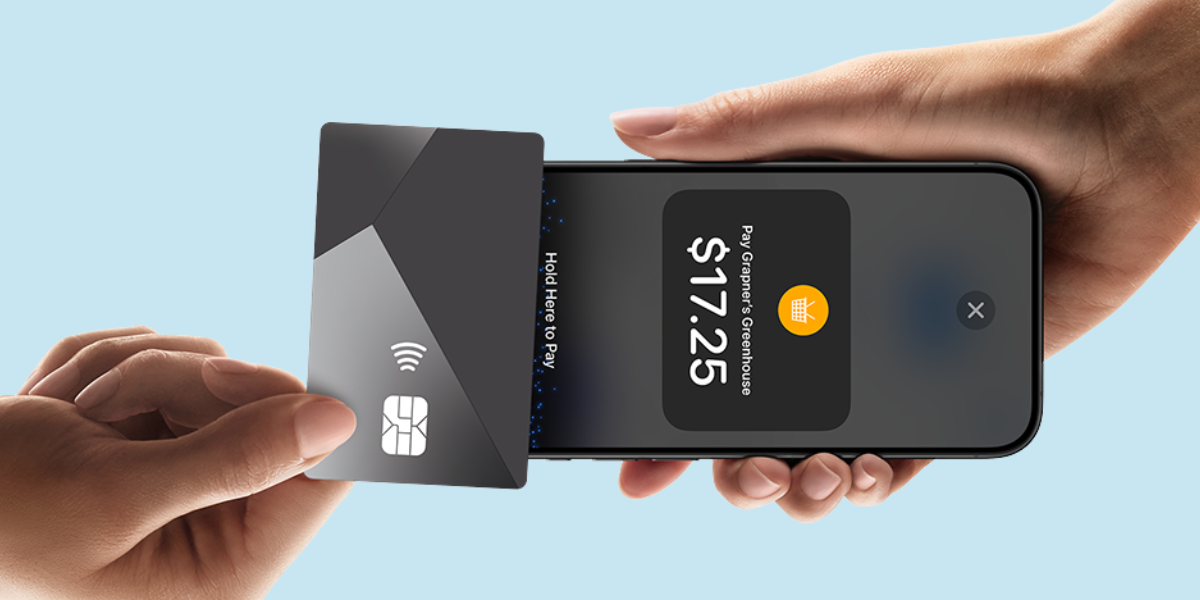
For solo practitioners who offer home visits or manage everything themselves, phone-based payments (iPhone or Android) can be a practical option.


These tools let you accept card and contactless payments directly from your phone, without carrying extra hardware. This setup works well when one person handles both care and checkout. Payments stay quick and straightforward, which helps keep appointments running smoothly. 

Use dedicated terminals for clinics and multi-practitioner practices 

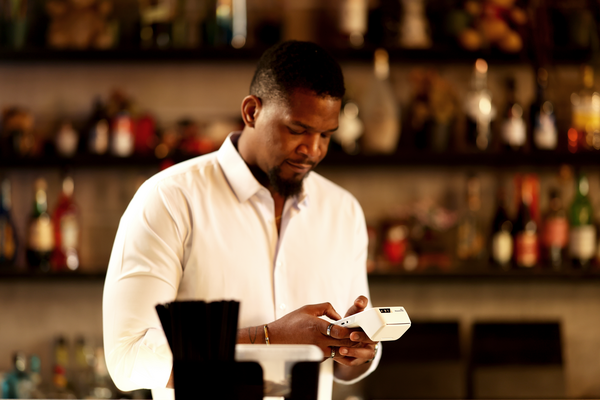
In clinic settings or practices that offer off-site services, payments usually need to stay tied to the business rather than to an individual phone. Using a shared, clinic-owned device helps keep transactions centralized and easier to manage across practitioners and locations. 

Fully mobile payment terminals support this model. They offer the flexibility of portable checkout while keeping payments clearly associated with the clinic, which becomes especially important as practices add staff or expand services. 

Person getting a massage

Get dependable payment support from Moneris 

At Moneris, we’ve supported Canadian businesses for over 25 years, and we’re backed by two of the country’s largest banks. This gives many practice owners confidence in our long-term stability.  

For RMTs, that means working with a payments partner that understands Canadian regulations, small-to-medium professional service businesses and the realities of in-person care. Combined with 24/7 bilingual support, Moneris helps practices keep payments running efficiently and get help when questions come up—no matter when the workday ends. 

FAQs

Author Profile

Moneris Team

Moneris is a leading provider of payment processing solutions in Canada. Our blog is your go-to resource for insights into the ever-evolving world of payments. We cover everything from the latest industry trends and technologies to practical advice for businesses of all sizes. Our blog's mission is to spotlight small businesses and provide resources that help them succeed in today's economy. Blog articles are written by members of Moneris' in-house marketing team with support from internal product and industry experts.

Recommended Articles