How to prevent payment fraud in your business: Complete guide.
Person holding a credit card beside an open laptop while shopping online, with a coffee cup, smartphone, and eyeglasses on the desk in a home workspace.

Preventing payment fraud in your business starts with using secure payment tools that verify transactions and protect card data automatically.

Key Takeaways

  1. Secure payment systems protect your business by encrypting card data, verifying transactions and monitoring activity in real time. 
  2. Fraud prevention becomes much easier when protection is built directly into your payment processing system instead of relying on manual checks. 
  3. Tools like tokenization, authentication and address verification help confirm legitimate payments before they’re approved. 
  4. Using secure payment terminals, limiting access and following proper workflows reduces fraud risk during daily operations. 
  5. Integrated payment platforms apply consistent protection across online, mobile and in-person transactions without extra setup. 
  6. Choosing the right payment provider helps you prevent fraud proactively while keeping checkout fast and reliable for your customers. 

Preventing payment fraud in your business starts with using secure payment tools that verify transactions and protect card data automatically. Modern payment systems check key details during each transaction and flag unauthorized activity before payments are approved. This helps you protect your revenue without adding manual review or slowing checkout. 

It’s also important that you handle payments consistently. Using secure terminals, limiting access to authorized staff and reviewing transactions regularly reduces exposure to fraud and keeps payment activity predictable. These simple habits strengthen your overall payment security. 

When fraud prevention is built into the payment tools you already use, protection becomes part of your normal workflow. In this guide, you’ll learn how to prevent payment fraud in your business using practical strategies that strengthen security and help you accept payments safely. 

How secure payment systems protect transactions 

Payment fraud happens during the transaction itself, which means your payment system is your first and most important line of defence. When a customer taps, inserts or enters their card details, the system immediately verifies the transaction and processes it through secure channels.  

And if you’re unfamiliar with how unauthorized transactions occur, it helps to first understand what payment fraud is and how fraudsters attempt to exploit payment systems. 

Secure payment systems protect card data the moment it’s entered. Instead of exposing sensitive information to your POS, network or staff, the system transmits payment data securely to the payment processor and issuing bank for authorization. This prevents card numbers and verification details from being stored locally or accessed by unauthorized users. 

These systems also monitor transactions in real-time during every payment. They identify unusual patterns, such as unexpected transaction amounts or repeated attempts, and flag them for review. This allows suspicious activity to be identified before it turns into financial loss or chargebacks. 

Most importantly, this all happens automatically. You don’t need to manually verify every transaction or manage complex security controls. A secure payment system handles verification, protects card data and helps ensure every transaction is processed safely and reliably. 

These protections also help support PCI compliance by reducing how much sensitive card data your business handles directly. 

How daily payment handling reduces fraud risk 

While secure payment systems protect your business from fraud automatically, daily payment handling still matters. Fraud often happens when terminals are left accessible, transactions aren’t reviewed or payment procedures aren’t followed consistently. Here are practical strategies that reduce the risk of payment fraud in your business: 

  • Use approved payment terminals only: Always accept card payments through secure terminals or hosted checkout systems designed to protect card data automatically. Avoid manually entering card numbers unless absolutely necessary, since secure terminals handle encryption and verification in the background. 
  • Limit access to payment systems: Only authorized staff should be able to access payment terminals, virtual terminals or payment dashboards. Restricting access reduces the risk of unauthorized activity and ensures every transaction can be traced to a specific user if questions arise. 
  • Review transactions regularly: Make it a habit to review recent transactions using your payment reporting tools. Regular review helps you spot unusual patterns, unexpected payment amounts or activity that doesn’t match normal business operations. 
  • Keep payment devices updated: Payment terminals and POS systems should always run the latest approved software. Updates maintain built-in security protections and ensure your payment environment continues meeting current security standards. 
  • Never store card numbers manually: Avoid writing down, saving or storing card numbers outside your payment system. Secure payment tools handle card data safely, which reduces your risk and simplifies your PCI compliance requirements. 
  • Follow consistent payment procedures: Handle every transaction using the same approved process—with no shortcuts or exceptions. Consistency makes fraud easier to detect and ensures your payment environment remains secure over time. 
  • Why integrated payment systems simplify fraud prevention 

    Using the right payment platform makes fraud prevention easier to manage and more consistent. Instead of relying on separate tools or manual checks, integrated systems apply protection automatically during each transaction. This gives your business stronger protection without adding extra steps to your daily workflow. 

    Integrated systems apply fraud protection automatically 
    Integrated payment platforms verify and protect transactions as they happen. Tools like encryption, tokenization and real-time transaction monitoring work in the background during checkout, helping confirm that payment data is valid and securely processed. This reduces the risk of unauthorized payments without requiring manual review for every transaction. 


    Because these protections are built directly into the payment system, they apply consistently across all payment methods. Whether you accept payments in person, online or through mobile devices, the same security measures help protect card data and verify transactions. This makes fraud prevention part of your normal payment process, rather than something your team has to manage separately. 

    Unified platforms eliminate gaps between payment channels 
    Many businesses accept payments through terminals, online checkout and mobile devices. When these systems operate separately, it becomes harder to monitor activity and maintain consistent security standards. Integrated platforms apply the same protection across every channel, helping ensure transactions are verified and securely processed regardless of how customers pay. 


    This consistency improves visibility and reduces the chance of fraud going unnoticed. It also makes payment operations easier to manage, since your team doesn’t have to rely on different tools or processes for each channel. A unified platform keeps fraud prevention aligned across your entire payment environment. 

    Real-time transaction monitoring improves visibility and control 
    Real-time transaction monitoring helps your business identify unusual payment activity as it occurs. Instead of discovering fraud after the fact, integrated systems review transactions continuously and flag suspicious patterns for review. This helps you respond quickly and prevent additional unauthorized payments. 


    Monitoring tools also give you better visibility into payment activity over time. Reviewing transaction history and alerts helps you recognize patterns and maintain consistent payment handling practices. This makes it easier to manage fraud risk proactively while continuing to accept payments smoothly and securely. 
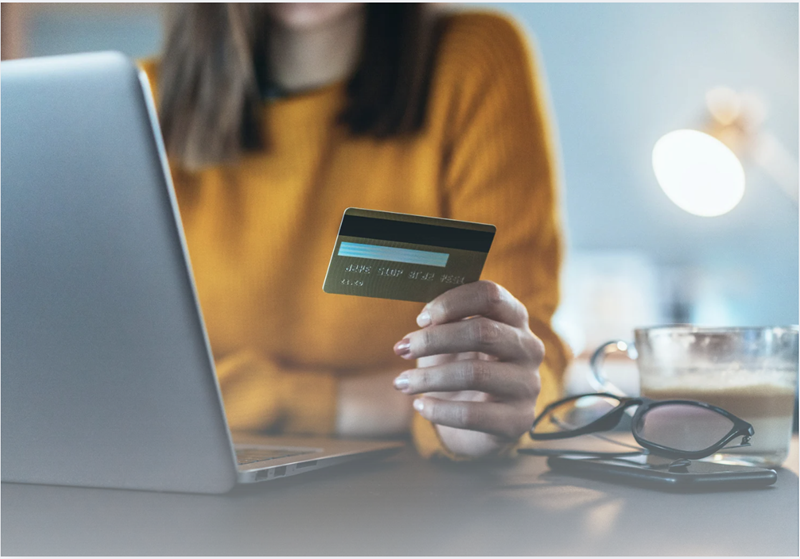
    Person holding a credit card while using a laptop to complete an online purchase, with the card in focus and the computer keyboard blurred in the background.

    Safeguard your business with secure payment tools from Moneris 

    Moneris protects your business by building fraud prevention directly into the tools you already use to accept cards. Every transaction is processed through secure, PCI-compliant terminals and checkout environments that encrypt cardholder data, replace sensitive information with tokens and apply real-time transaction monitoring. 

    And because these fraud prevention tools operate automatically in the background, your team doesn’t need to manually screen every transaction or manage separate security software. Protection is built into the checkout process, helping you maintain secure operations, reduce chargebacks and accept payments securely at all times. 

    FAQs

    Author Profile

    Moneris Team

    Moneris Team

    Moneris is a leading provider of payment processing solutions in Canada. Our blog is your go-to resource for insights into the ever-evolving world of payments. We cover everything from the latest industry trends and technologies to practical advice for businesses of all sizes. Our blog's mission is to spotlight small businesses and provide resources that help them succeed in today's economy. Blog articles are written by members of Moneris' in-house marketing team with support from internal product and industry experts.

    Recommended Articles

    Trustpilot