Why restaurant checkout becomes a bottleneck
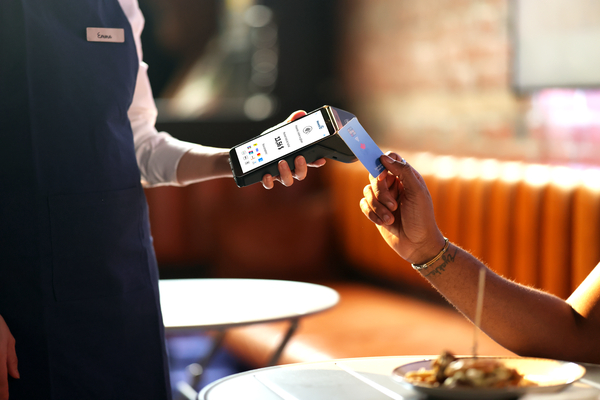
For full-service restaurants, checkout becomes a bottleneck because it adds extra staff movement after the meal is already over. The kitchen is done, the guests are done eating and the table is ready to generate revenue again—but the bill still has to be presented, payment still has to be taken and the check still has to be closed.
That matters because checkout often depends on several small steps that pull servers away from active tables. Even when service is running well, the last few minutes of the meal can stay slower than they need to be simply because payment happens too late and takes too many steps to finish.
The biggest opportunity is not changing the meal itself. It’s tightening up the final part of service so tables free up sooner, servers stay on the floor more and guests leave feeling like their time was respected right to the end.