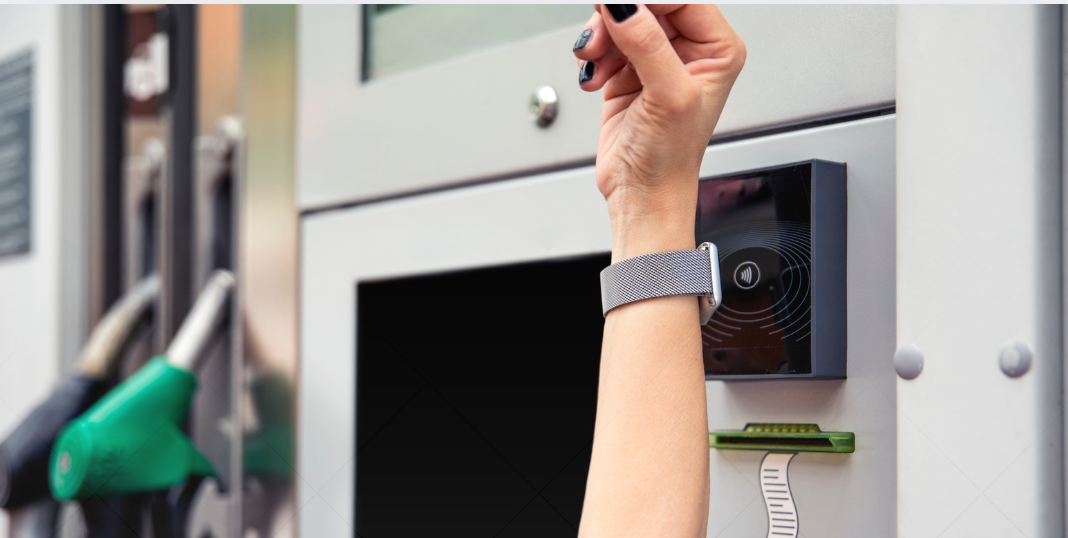
Using Payment Data to Optimize Gas Station Operations
By: Moneris Team
December 09, 2025 Calculating time...
Gas station owners can turn every payment at the pump or in the store into a strategic advantage. Fuel profit margins are razor-thin (only about 4,6% of the pump price covers the station’s costs and earnings), so there’s little room for error. With such tight margins, the most successful stations grow by working smarter, not just harder. Moneris believes one often-overlooked tool can help. That tool is the stream of credit and debit card transactions flowing through your business every day. Each tap or swipe holds clues about when customers visit, what they buy and how you can improve everything from staffing to inventory. Canadians made 7.1 billion credit card transactions in a single year, so there’s a wealth of payment data available. Using these insights helps gas stations run more efficiently, keep customers happy and ultimately boost profits.
Payment data reveals customer behaviour patterns
Payment data is like a daily diary of your customers’ habits. Each transaction’s timestamp and details paint a picture of when people stop by and what they buy. For example, you might confirm a morning rush of coffee-and-fuel commuters or an evening wave of drivers topping off their tanks. You could even find that weekend afternoons see a spike in convenience store sales. Instead of relying on guesswork, you base decisions on real numbers. If data shows a surge every Friday at 5 p.m., you know that’s a critical window. Over time, patterns emerge, daily and weekly cycles, seasonal swings (like holiday road trips), and even how the weather affects traffic. With these insights, you truly understand your customers, the first step to serving them better. This deeper understanding helps you anticipate their needs and stay a step ahead.
Transaction insights streamline gas station operations
Payment records aren’t just for accountants; they’re a toolkit to run your station more efficiently. Analyzing your transaction history helps you spot inefficiencies and adjust operations to real customer demand. This approach lets you allocate resources wisely to keep things running smoothly even with tight margins.
Smarter staffing: Payment data pinpoints your busiest times, so you can put more staff on during rush hours and scale back during lulls. Aligning employees with actual traffic means shorter lines when it’s busy and no unnecessary labour costs when it’s slow.
Optimized inventory: Sales trends show which items fly off the shelves and when. If cold drinks always sell out on hot days or washer fluid on the first snowy day, you can stock up beforehand. That way, you avoid empty shelves and don’t waste money on overstocking products that don’t sell.
Fuel planning: Seeing when fuel sales spike helps you schedule deliveries better. If data shows a surge on long weekends, you’ll top up tanks in advance. Anticipating demand prevents running out of fuel or paying extra for emergency refills.
Maintenance timing: Identify your quietest periods, maybe late nights or a mid-week lull and schedule pump maintenance or system updates then. This minimizes any disruption to customers and sales.
Better forecasting: Consistent data makes it easier to predict your revenue cycles and manage cash flow. For example, save a bit from the busy days to cushion the slower ones. This planning keeps your business stable through fuel price swings or seasonal slumps.
All these tweaks save money and headaches. With a tight budget, trimming even a little labour or spoilage can make a big difference. Running lean while still providing good service keeps costs under control. Over time, those savings add up to a stronger bottom line, much needed when margins are so thin.
Data trends boost store sales and profits
A gas station’s real profit centre isn’t the fuel; it’s the convenience store. Most of a station’s profit comes from selling quick-grab items like snacks and drinks, not from gasoline. Payment data can show you exactly how to maximize those high-margin sales. Studying your sales trends uncovers ways to increase in-store revenue.
Spotting and stocking top sellers
You might discover that premium coffee is your top seller each morning, while certain snacks barely move. With that insight, you can double down on popular items by keeping them in stock and giving them prime placement, while cutting back on the duds. Using data to focus on what customers actually buy means more sales and less money tied up in products that gather dust. You take the guesswork out of stocking and make every shelf work toward profit.
Seasonal and time-of-day opportunities
Transaction data also highlights seasonal swings and daily patterns. Maybe iced drinks and ice cream spike in summer while winter boosts hot coffee and antifreeze sales. Knowing this, you can plan seasonal stock and promotions , put cold drinks front and center in July and keep plenty of de-icer by the counter in January. Time-of-day trends matter too. If you see a lunch-hour rush for sandwiches or an evening peak in lottery ticket sales, you can respond accordingly. Offer a lunch combo to draw the midday crowd, and make sure lottery tickets are well-stocked and promoted after dinner. Aligning your store with these patterns means you’re selling what people want when they want it.
Effective promotions and cross‑selling
Payment trends help you design promotions that work. If many customers only buy fuel and never step inside, try offering a deal, say a discounted coffee or snack with a fill-up, to lure them in. Or use data on common purchase pairs to create bundles. For example, if drivers who buy motor oil often grab a soda, promote a combo deal on oil and a cold drink. You can even time special offers for slow periods to bring in extra traffic. All these tactics are guided by your payment data, and they lift your average sale per customer as more people grab that extra item before hitting the road.
Payment insights strengthen customer loyalty
Knowing your customers’ habits helps you keep them coming back. It’s no surprise that 77% of Canadian gas stations now have a loyalty program. When you connect payment data with loyalty rewards, you can make each customer feel valued and understood. Every purchase a regular makes adds to a profile of their preferences. For example, maybe one customer comes in every Wednesday for gas and a car wash, while another always buys premium fuel and an energy drink. With these insights, you can tailor perks to each person, such as a car wash discount after a few fill-ups for the first customer, or a free energy drink after the tenth premium fuel purchase for the second. This personal touch shows customers you appreciate them and gives them more reason to choose your station over the competition.
Payment data also lets you measure how well your loyalty efforts are working. You can see if members visit more often or spend more per visit, and often they do. Nearly half of Canadian loyalty program members say they visit a business more frequently because of rewards, and about 50% spend more with that retailer. So, a good loyalty program, guided by data, not only brings people back but also earns a larger share of their spending. Over time, you turn your customer base into a community of familiar faces who trust your service. When someone knows they’ll get a tailored offer or just a warm welcome when they tap their card, it creates a connection that price alone can’t match. In short, using payment insights for loyalty turns one-time transactions into lasting relationships and steady, reliable revenue for your station.
Moneris helps gas stations grow with payment insights
Building on all these data insights, the right partner makes it much easier to put them into action. As Canada’s leading payment processor, Moneris understands the daily challenges gas station owners face. We provide tools that capture every credit and debit transaction and turn them into clear, useful reports. At a glance, you can see your peak hours, best-selling items and how well a promotion performed, all without being a data expert.
When business owners have easy-to-read data, they feel more confident in their decisions. We focus on turning raw numbers into meaningful trends, so you can quickly adjust staffing, test a new promotion, or reward loyal customers with evidence to back it up. And since we work closely with businesses across Canada, our guidance is tuned to your industry. Whether it’s keeping transactions secure or finding new ways to enhance customer experience, we tailor our support to what you need. With our platform’s payment insights, you spend less time guessing and more time building a station driver's trust. We help turn everyday transaction data into a roadmap for sustainable growth and happier customers.
FAQs
Understanding when most transactions occur lets you match staff hours to customer demand. This reduces costs during quiet periods and boosts service during busy times. You avoid overstaffing and long wait times, which improves efficiency. Moneris offers reporting tools that make it simple to spot those traffic patterns and adjust schedules accordingly.
Your credit card transactions reveal details like peak purchase times, average sale value and common product pairings. These trends help you plan stock, adjust pricing and create timely promotions. Moneris turns payment activity into visual reports so you can act fast and make decisions that support your bottom line.
When loyalty data is tied to your payment processing system, you can track how often customers visit and what they buy. That lets you offer more personal rewards, which boosts satisfaction and keeps people coming back. Moneris can help you combine transaction data with loyalty features so you can build stronger customer relationships that lead to more repeat business.
Reviewing your sales trends by product category and time of day helps you see what sells and when. You avoid running out of popular items or overstocking slow movers. Moneris provides data insights that help you make smarter purchasing decisions to reduce waste and maximize profits.
Yes. You can use insights like average basket size and customer buying habits to shape bundles, promos or upsells. Knowing what combinations people already buy gives you a head start. With Moneris, you can monitor which strategies work best so you can double down on what drives revenue.
Key takeaways
Payment processing data shows exactly when customers visit and what they buy, which helps with staffing and planning.
Tracking daily and seasonal trends lets you stock smart, reduce waste, and increase profit margins in your convenience store.
Gas station owners can use data from everyday transactions to craft targeted promotions that increase basket size.
Loyalty programs become more effective when they are informed by payment habits, leading to more repeat customers.
With the right payment system in place, business owners turn routine purchases into insights that support long-term growth.
Author Profile
Moneris Team
Moneris is a leading provider of payment processing solutions in Canada. Our blog is your go-to resource for insights into the ever-evolving world of payments. We cover everything from the latest industry trends and technologies to practical advice for businesses of all sizes. Our blog's mission is to spotlight small businesses and provide resources that help them succeed in today's economy. Blog articles are written by members of Moneris' in-house marketing team with support from internal product and industry experts.
A practical guide for Canadian restaurant owners choosing a POS system based on service flow, debit acceptance, online ordering, hardware fit, cost and multi-location needs.
This guide explains AODA compliance, Ontario storefront rules, website accessibility duties and checkout accessibility steps for Canadian small businesses.