

What is payment fraud? Prevention and protection for Canadian businesses
Learn what payment fraud is, how it happens and how to prevent it to protect your business and customer payments.
 Calculating time...
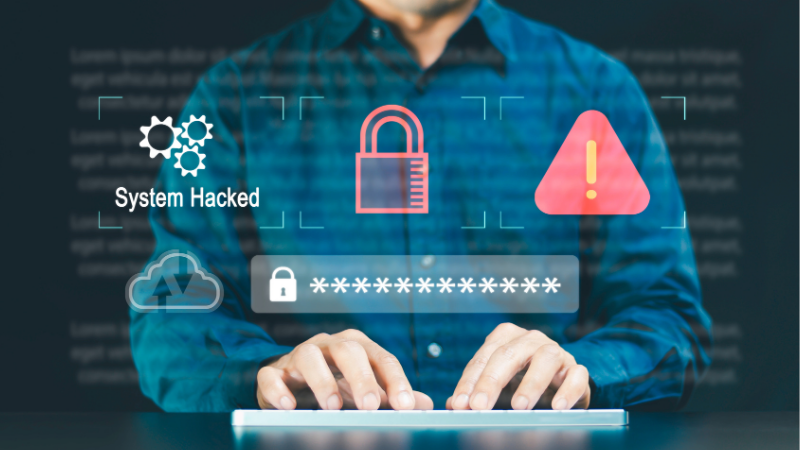
Artificial intelligence is transforming the way we work, communicate, and innovate. It is also changing how cybercriminals operate. According to a new outlook report from Canada’s federal cybersecurity centre, criminals are increasingly using AI-powered tools to make ransomware attacks more effective, scalable, and harder to stop.
The warning is clear. Ransomware in Canada is not just growing. It is evolving quickly.
Ransomware attacks have become one of the most disruptive cyber threats facing Canadian organizations. In recent years, businesses, hospitals, universities, and other institutions across the country have seen their systems locked, and their data held hostage by criminals demanding payment.
The Canadian Centre for Cyber Security reports that the number of ransomware incidents it tracked rose steadily between 2021 and 2024. These attacks are costly, highly disruptive, and increasingly sophisticated, affecting organizations of all sizes.
What makes ransomware especially dangerous today is that it is no longer just about locking files. In many cases, attackers first steal sensitive data and then threaten to release it publicly if their demands are not met. This double extortion tactic dramatically raises the stakes for victims.
Artificial intelligence has lowered the barrier to entry for cybercrime. Tasks that once required advanced technical expertise can now be automated or simplified using AI tools.
According to the report, ransomware actors are using AI in several ways, including:
These capabilities allow criminals to move faster, target more victims, and operate more efficiently, even with limited resources. The result is a broader threat landscape where more organizations are at risk.
Ransomware groups are also experimenting with more aggressive pressure tactics. Beyond stealing and encrypting data, some attackers now threaten an organization’s partners, clients, or suppliers to force payment.
In certain cases, cybercriminal groups have launched denial of service attacks during ransom negotiations. This adds further disruption and increases urgency. These multi-extortion strategies show just how adaptable and persistent ransomware actors have become.
At the same time, there is a noticeable shift toward attacks that focus primarily on stealing sensitive data rather than relying solely on encryption. Even if systems remain operational, the risk of a data leak can be enough to coerce victims into paying.
SMBs often have valuable data but fewer cybersecurity resources, making them appealing targets for ransomware actors.
Many SMBs rely on a single IT professional or an external provider who is responsible for everything from troubleshooting to security. Limited time, budgets, and staffing can make it difficult to keep up with fast-moving and increasingly complex threats.
For SMBs, effective cybersecurity does not require a large budget or a dedicated security team. Focusing on a few high-impact actions can significantly reduce risk.
Strengthen system security
Keep operating systems, applications, and security tools up to date. Attackers target known gaps with available fixes. Set weekly update checks and patch quickly.
Use strong authentication everywhere
Turn on multi-factor authentication for email, remote access, cloud services, admin accounts, and payment portals. This blocks access after password theft and reduces account takeovers.
Protect payment activity with built in controls
Use Moneris fraud prevention tools such as address verification, CVV checks, and real-time transaction monitoring. These controls flag risky behaviour before payments are processed.
Back up critical data and test recovery
Automate daily backups for business and payment related systems. Store copies offline or in protected storage. Test restores monthly to confirm recovery works under pressure.
Train staff to spot fraud and phishing
Run short monthly training focused on real examples. Teach staff to flag urgent payment requests, fake login emails, and invoice diversion attempts. Clear reporting speeds response.
Limit access and review rights often
Give staff access only to systems needed for their role. Review permissions quarterly. Remove access for former staff immediately. Fewer entry points reduce spread after a breach.
Monitor for unusual activity
Review transaction alerts and reports each week. Watch for changes in volume, location, or refund patterns. Early detection limits damage and downtime.
Prepare for incidents before they happen
Create a one-page response plan. List contacts for Moneris support, your IT provider, insurers, and police. Define the first steps to isolate systems and protect data.
AI-driven attacks are getting faster and more precise. While the threat is significant, small and medium-sized businesses that invest in practical cybersecurity measures and employee awareness will be far better positioned to protect themselves.
Treat cybersecurity as operational hygiene, the same as safety and finance. This protects revenue, trust, and growth.
Is AI making fraud harder to detect for businesses? In our latest episode, Allan speaks with Yale Holder from Moneris about how scammers are using artificial intelligence and advanced technology to target organizations—and the practical steps businesses can take to stay ahead of AI driven fraud.
Learn how fraud tactics are evolving and what leaders need to know to protect their operations.
Protect your payments and lower fraud risk today. Visit Moneris fraud prevention tools to get started.

Learn what payment fraud is, how it happens and how to prevent it to protect your business and customer payments.

Moneris data reveals rising fraud trends in 2025, including growth in Card Not Present fraud and account takeover cases. Learn how Canadian businesses can protect themselves with secure payment tools, stronger authentication and better cybersecurity practices.
Test your business’s cyber safety with this quick fraud prevention quiz. Learn where you stand and get practical steps to protect your data and customers.

Learn how fraud prevention tools help Canadian businesses reduce chargebacks, protect revenue and accept payments securely.