


Growth Strategies, Retail
Inventory management basics for small Canadian retailers
A practical guide for small retailers on stock control, reorder points, carrying cost, shrinkage and the role of a POS inventory management system.
 Calculating time...

The best loyalty program matches visit frequency, basket size and the way customers already pay.
Simple rewards usually work better than complex ones because staff can apply them cleanly at checkout.
Payment-linked tracking gives you a clearer way to review redemption, cost and repeat purchase patterns.
The best loyalty program makes repeat visits feel easy and worth it.
If you're running a small business, the right reward should match how people already buy from you. A café with daily regulars needs a different setup from a boutique with bigger baskets and longer gaps between visits. Checkout data, ticket size and visit timing tell you more than generic retention advice. That makes loyalty easier to set up and easier to measure.
If customers often buy the same item, visit-based rewards usually work well. If spend varies, points or spend thresholds give you better control over cost and customer value.
Start with the sales patterns you already have. Check how often regulars return, what they usually spend and how many sales happen online compared with in-store. A café with the same morning crowd five days a week can keep the reward simple. A gift shop with seasonal traffic will need a model that still feels worthwhile after longer gaps.
Average days between customer visits
Typical ticket size at checkout
Mix of online and in-store sales
How often customers redeem past offer
How much margin sits in the reward
Cost matters too, though it doesn't need to be complicated. A loyalty program costs the reward itself, any setup fee and the staff time needed to explain it. When the rule is tracked in the payment flow, your team spends less time fixing missed stamps or explaining exceptions at the till.
You don't need a complex customer loyalty program to support repeat sales. The strongest ideas are easy to explain, simple to redeem and visible at checkout. Each option fits a different buying pattern, so your best choice depends on return frequency and average spend.
Digital punch cards still work because the value is obvious. A coffee shop can offer a free drink after nine purchases, and customers get the idea in seconds. The main win is consistency at checkout. Staff don't need to remember paper cards, and customers don't need to carry one more item in a wallet.
This format fits frequent low-value purchases. Keep the reward close enough to the next visit to feel reachable, such as a free pastry after six breakfast orders. If visits are farther apart, customers will forget the program before they get close to redeeming it.
Points work well when customers spend very different amounts from one visit to the next. A shop selling candles, soaps and gift bundles can award points per dollar spent, so a $12 purchase and a $75 purchase both feel recognized. That makes the program fair without asking staff to sort purchases into separate reward buckets.
This model also gives you clearer reporting. A setup tied to Moneris payment data shows which purchase sizes tend to lead to redemptions. That helps you adjust the earn rate before the reward feels too slow or too expensive.
Cashback is simple when you treat it as a credit toward a later purchase. A pet store can offer $5 back for every $100 spent, then apply that credit at the next checkout. Customers like the direct value, and staff can explain it without a script.
This approach fits businesses that know their margins and want a clear cost per customer. Keep the threshold easy to follow and the redemption rule short. If customers need to track a long chain of fine print, the reward loses the plain-spoken feel that makes cashback appealing.
Spend threshold rewards are useful when you want customers to add one more item before they pay. A lunch counter can offer a free cookie after a $15 order, or a home goods shop can add a perk once the basket reaches $60. The reward shapes behaviour at the checkout moment.
This format works best when the gap to the threshold feels small. A shopper will add a tea towel to reach $60 much faster than they will add $20 of unplanned items. Keep the goal visible on receipts, in online carts or in terminal prompts so customers know they are close to the end of the sale.
Tiered rewards recognize that repeat buyers do not all behave the same way. A clothing store can offer a base reward to everyone, then add early access or a higher earn rate once a customer meets a yearly spend target. The program remains simple, though it gives your best customers a reason to keep coming back.
Use tiers only if your reporting can clearly track progress. Customers lose interest when they can't tell how close they are to the next level. A good tier program also needs names and rules that staff can explain in one sentence.
Paid memberships suit businesses with loyal customers who buy on a predictable rhythm. A bakery can charge a small monthly fee for member pricing on coffee and bread, or a refill shop can include one free refill each month. The member benefit appears at checkout every time, so the value stays visible.
This model needs discipline more than scale. Customers will keep paying only if they can use the perk easily and often enough to notice it. Start with one or two benefits that staff can apply automatically. A long list of exceptions turns a steady membership into a confusing promise.
Birthday rewards work because they give people a clear reason to come back soon. A salon can send a birthday credit that applies to a service booked that month, or a café can offer a free treat with any drink purchase. The time window feels personal and gives you a clean point to measure redemption.
Keep the offer easy to verify at checkout. A simple code, customer lookup or account-based reward saves staff from making judgment calls at the counter. Birthday offers aren't a full loyalty program on their own, though they pair well with points or punch cards and help reactivate quieter accounts.
Bonus gift cards are one of the easiest ways to pair loyalty with future visits. A retailer can offer a $5 bonus card with every $50 gift card purchase, creating value for the buyer and giving the recipient a reason to return. The follow-up visit often occurs after the first sale has already been booked.
This approach works best when the bonus has a clear expiry date and a clean balance-check process. Customers should know exactly what is left and when to use it. Gift card programs also separate the purchase moment from the redemption moment, which gives you a clearer view of repeat traffic later on.
Drink credits are a strong café rewards program because they fit into people's existing routines. A café can add one drink credit after every five weekday purchases or grant a free size upgrade after a set number of taps. Customers see progress quickly, and staff can keep the line moving because the reward ties to the same checkout flow.
This setup works best when the earn rule matches your busiest repeat habit. If most regulars buy drip coffee before work, reward that pattern first instead of spreading the program across every menu item. Starting narrow also makes it easier to review redemptions after the first month and decide if the reward needs a small adjustment.
|
Program idea |
Best use |
|
1. Digital punch cards reward repeat visits with low setup |
Customers can see progress quickly, so this format suits frequent low-value visits. |
|
2. Points rewards fit stores with mixed order sizes |
Points keep rewards proportional when basket sizes rise and fall. |
|
3. Cashback rewards suit merchants with room in margin |
Cashback works well when you want a direct reward with a clear cost. |
|
4. Spend threshold perks lift average ticket size |
Threshold perks encourage one more item before the payment is complete. |
|
5. Tiered rewards keep top customers spending steadily |
Tiers give frequent buyers a clear reason to keep coming back. |
|
6. Paid memberships create recurring revenue from regulars |
Memberships fit routine purchases when the perk appears often at checkout. |
|
7. Birthday offers prompt a timely return visit |
Birthday rewards create a clear return window and wake up quieter accounts. |
|
8. Bonus gift cards bring prepaid sales back later |
Gift card bonuses link one sale to a later visit, making the connection easy to track. |
|
9. Drink credits fit cafes with morning regulars |
Drink credits suit cafés because they reward a habit people already repeat. |
Choose the rewards model your checkout can track without extra staff steps. If redemption needs manual math, customers miss it, and staff skip it. Points fit mixed baskets, cashback fits clear margin room and visit-based rewards fit routine purchases like coffee, lunch and car washes.
Start with one reward, one earn rule and one redemption moment. A café can launch with a digital punch card tied to the same payment flow used every morning, then review repeat visits after 30 days. If loyalty activity and gift card use are captured in Moneris reporting, you can spot patterns and refine the reward based on actual payment behaviour. That helps you judge loyalty with more confidence because repeat sales often improve when the reward is easy to earn, easy to redeem and simple for staff to apply.
That kind of discipline keeps the reward clear and worth returning for.
The best loyalty program for a small business depends on how customers buy. Businesses with frequent repeat visits often benefit from digital punch cards, while retailers with varying purchase amounts may see better results from points-based rewards. The most effective customer loyalty program is one that matches visit frequency, average spend and checkout habits.
Yes. Digital punch cards remain one of the simplest and most effective loyalty program formats for businesses with frequent, lower-value purchases. Cafés, bakeries and quick-service businesses often use punch card rewards because customers can easily understand their progress and redeem rewards quickly. For businesses looking to modernize traditional punch cards, digital loyalty solutions can simplify reward tracking and redemption.
A café rewards program works best when it aligns with repeat purchasing habits. Popular options include digital punch cards, drink credits, birthday rewards and points-based programs. Start with one simple reward, such as a free drink after a set number of purchases and make sure customers can easily track their progress. Café owners can also review payment and repeat-purchase trends using solutions designed for cafés and food-service businesses.
Points rewards are often best for businesses with varying basket sizes because customers earn rewards based on spending. Cashback programs work well when a business wants to offer a simple, direct benefit with a predictable cost. The right choice depends on purchase behaviour, profit margins and the type of customer retention strategy you want to build. Businesses should select a loyalty model that their checkout and reporting systems can accurately track.
The cost of a loyalty program typically includes the value of the rewards, software or setup costs, and employee time spent managing the program. Simpler rewards programs are often easier and less expensive to administer because they require fewer manual steps during checkout. Businesses should evaluate reward costs alongside customer retention benefits to determine whether the program supports long-term growth.
A loyalty program can help increase repeat sales when rewards are easy to earn, simple to redeem and relevant to customer buying habits. Programs that align with existing purchase behaviour often encourage customers to return more frequently and spend more over time. The strongest results typically come from loyalty programs that are integrated into the checkout experience and supported by clear reporting and customer insights.

Growth Strategies, Retail
A practical guide for small retailers on stock control, reorder points, carrying cost, shrinkage and the role of a POS inventory management system.
Product Education, Contactless Payment, Small Business Month, Small Business
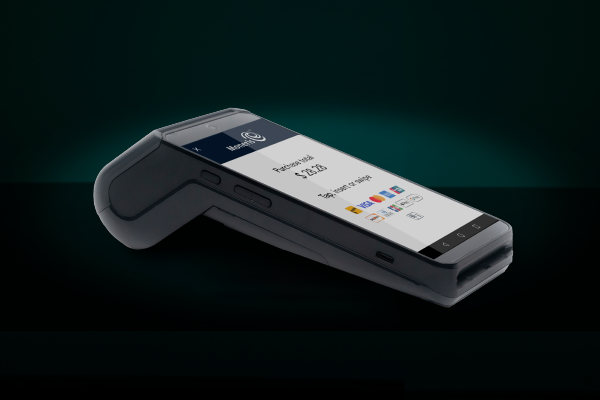
Compare debit machine options for Canadian small businesses and get insight into terminal costs, Interac Debit fees and renting or buying options.

Growth Strategies, Small Business
Canadian small businesses are winning on TikTok. Learn what to post, how often, how to get found in TikTok search and why TikTok Shop is not here yet.

Growth Strategies, Small Business Month
Accessibility requirements Canadian storefronts and websites need to meet
This guide explains AODA compliance, Ontario storefront rules, website accessibility duties and checkout accessibility steps for Canadian small businesses.