


Growth Strategies, Small Business
How to get your business recommended by AI
More than half of Canadians now use AI to shop. See how AI is reshaping online shopping and what your Canadian small business can do to show up, build trust and win.
 Calculating time...

Canada's ecommerce market is expected to reach about US$74 billion in 2025, making it more important than ever for retailers to connect in-store, online and mobile payments through a single system.
If you still reconcile web orders, terminal sales and mobile payments in separate places, your team spends time fixing mismatches that a connected setup would avoid. Omnichannel retail works when a shopper can buy online, pick up in store, pay a balance with debit and still leave a clean record behind. Unified commerce matters because checkout, ecommerce and reporting all shape the same customer experience. That makes payments a daily operating issue, not a back-office detail.
Product availability stays consistent, payment options feel familiar and service actions such as pickup, returns and receipts carry the same information across each touchpoint.
A simple retail example clarifies the definition. A shopper finds boots online, checks local stock, reserves a pair, picks them up after work and pays the remaining balance at the counter with debit. The receipt matches the web order, the refund path stays clear and staff can see the full order history without switching tools.
That continuity matters because shoppers don’t separate your channels the way your systems might. If a gift card works online but not at the till, or a pickup order appears as a manual note instead of a live order, the experience feels fragmented. Omnichannel commerce closes that gap by aligning the customer journey and payment flow from start to finish.
Unified commerce keeps orders, payment records and service actions in one connected system so staff can work from the same source of truth. You get one view of a sale, one refund history and one customer record instead of patched-together exports from separate tools.
Picture a return at the counter for an item bought online last week. With shared payment data, staff pull up the order, confirm the original tender type and complete the refund without rekeying card details or hunting through a gateway portal. That saves time and reduces the small mismatches that drag out daily reconciliation.
|
Operational checkpoint |
What a shared system changes |
|
Online pickup orders appear at the till with live status. |
Staff can confirm payment and release the item without a second lookup. |
|
Refunds use the original payment record. |
The return stays tied to the same sale, and the audit trail remains clean. |
|
Gift card balances update after each sale. |
Shoppers see the same balance online, on mobile and at the counter. |
|
Sales reports pull from one payment source. |
You spend less time matching batches across separate systems at close. |
|
Customer service sees one order history. |
Questions about pickup, exchange or payment status get answered faster. |
Unified commerce also gives you clearer control over exceptions. Partial refunds, split shipments and store credits stay attached to the original transaction, which keeps accounting cleaner through busy periods. That is the practical difference between a connected commerce system and separate channels.
Canadian retailers need payment systems built for Interac Debit acceptance because debit remains a normal part of in-store checkout, and shoppers expect that familiarity to carry into pickup, returns and order completion. A system that treats Canadian payment rails as standard will make daily store operations much smoother.
You’ll feel this most clearly when online and store activity meet at the counter. A customer places a click-and-collect order with a deposit online, then pays the remainder with Interac when the order is picked up. If the payment setup understands that handoff, the order closes properly, the receipt stays accurate and the refund path stays clear.
Canadian execution also reaches beyond the tender type itself. Terminal prompts, bilingual receipts, settlement timing and support expectations all show up in routine store work. If most of your foot traffic pays with debit, your omnichannel setup should reflect that from the first configuration step, rather than treating it as an add-on after the website is already live.
Store sales and ecommerce work best on a single platform when product data, order status, taxes and payment records update through the same flow. You reduce manual work, keep stock visibility cleaner and give staff a faster way to answer order questions at the point of sale.
A common Monday morning task shows why these matters. You open the store, review weekend web orders, confirm pickups and check which returns came back through the counter. A setup such as Moneris Total Commerce keeps those steps close to the same record, so staff aren’t copying order numbers between a website dashboard and a separate payment screen.
One platform also helps you avoid policy drift. If your online store allows a return window or tax treatment that the store system cannot see, staff start making case-by-case fixes that slow service and muddy reporting. Connecting ecommerce with in-store checkout gives you a cleaner routine for pickup, return and exchange work every single day.
The best omnichannel POS for Canadian retail shares payment status, receipts, returns and reporting across store, web and mobile activity. You should be able to start with a sale on one channel and finish service in another without creating a second record or asking staff to work around the system.
A strong way to test a POS is to walk through a full order life cycle. Create an online order, collect it in store, process a partial return and check the sales report at close. If the staff view stays consistent through those steps, you’re looking at a system built for unified commerce.
You’ll also want to test how the system behaves under normal pressure. A cashier should find an online order quickly, issue a receipt that matches the original sale and move to the next customer without extra screens. If that sequence feels awkward in a live demo, it won’t feel better on a busy Saturday.
Ecommerce payments should reconcile with store transactions inside the same reporting structure, with matching order IDs, refund status and settlement timing.
You can test this with one simple routine. Review yesterday’s web orders, confirm the amount captured, then compare those values with store refunds and pickups tied to the same orders. A unified setup lets you trace each step from authorization to settlement without pulling three exports and hunting for mismatched totals.
This matters because reconciliation is where hidden friction first shows up. Duplicate refunds, uncaptured orders and delayed closeouts are easier to spot when the payment record follows the order across channels. Your finance team gets a cleaner handoff, your store manager trusts the daily totals more and your customer service team spends less time explaining unclear payment status.
Mobile checkout should use the same payment stack as store and web channels, so receipts, fraud checks, gift card balances and payment records stay consistent. That keeps mobile selling from becoming a side process with its own rules, reports and service gaps.
You can see the value during curbside pickup, at the aisle or at a seasonal pop-up. A staff member takes payment on a mobile device, emails a receipt and closes the order against the same customer record used online and at the counter. Mobile devices generated 58.67 percent of global website traffic in the first quarter of 2024, which shows how often small-screen checkout shapes shopping behaviour.
Using the same payment stack also makes policy control easier. Refund rules, card tokenization and fraud settings stay aligned across channels instead of being rebuilt in separate tools. If you’re serving shoppers on the floor, at the curb or through a mobile-optimized site, the payment experience should still feel like the same retailer.
Unified reporting should replace separate channel exports because daily retail control comes from a single sales view, a single refund view and a single payment history across every touchpoint. You should be able to answer basic operating questions quickly, without having to stitch numbers together after the store closes.
Think about the questions you ask every week. Which pickup days brought the most debit volume, which returns started online and finished in store and which mobile sales were tied to staff-assisted orders? A unified report gives you those answers in one place so that you can adjust checkout flow and service routines with more confidence.
This is where omnichannel stops being a list of features and becomes an operating discipline. Separate exports keep forcing your team to interpret the business in pieces, while unified commerce gives you one version of what happened. Moneris fits that standard when checkout, ecommerce and mobile activity sit inside one Canadian payment ecosystem with reporting that reflects how retailers sell.

Growth Strategies, Small Business
More than half of Canadians now use AI to shop. See how AI is reshaping online shopping and what your Canadian small business can do to show up, build trust and win.

Growth Strategies, Small Business
Learn how to optimize your social media strategy with practical tips on content, captions, advertising, metrics and platform selection. Discover how Canadian small businesses can turn social media into a growth channel.
Ecommerce, Moneris Online, Growth Strategies
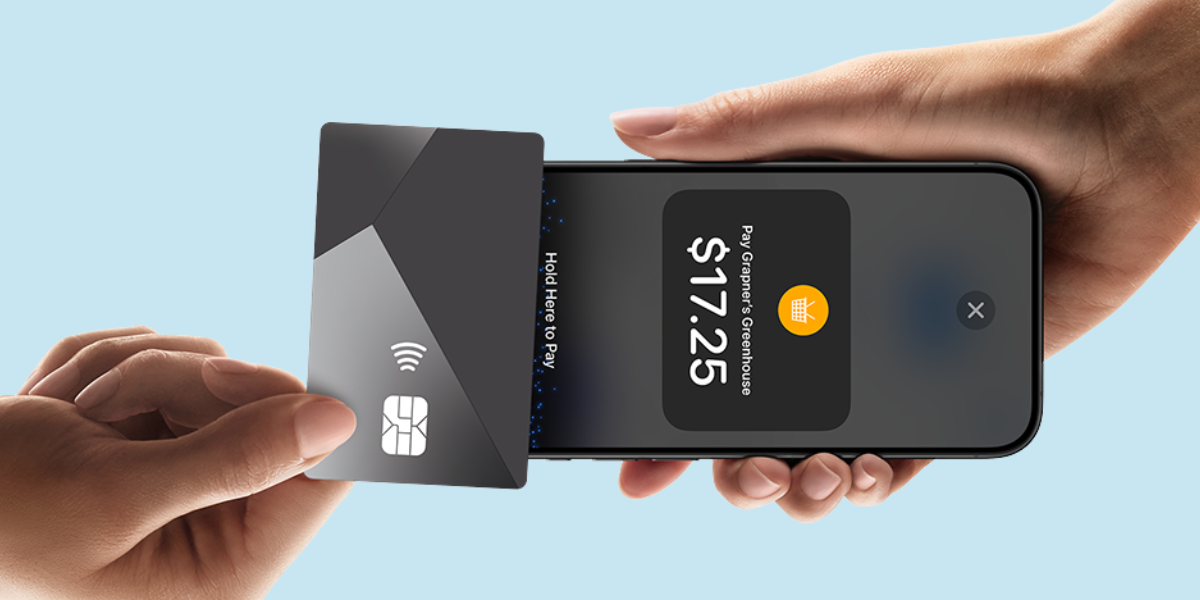
Get insight into Tap to Pay on iPhone in Canada, including Interac Debit support, setup and small-business sales use.

Ecommerce, Moneris Online, Growth Strategies
A proper POS system helps restaurants improve service, payments, reporting, and day-to-day operations.