


A guide to Small Business Month in Canada
Get practical insight into Small Business Month in Canada, including October 2026 timing, Small Business Week in Canada and how owners can take part.
What large-scale events really mean for local businesses and how to prepare
 Calculating time...

Large-scale events drive measurable increases in local spending, not just at venues but across the city.
Spending can surge exponentially across a city or region during peak event windows.
When a global event is involved, foreign spending, particularly in certain categories, can be a key driver, rising by triple digits.
Demand concentrates around key moments, creating short, high-intensity spikes. Businesses that plan staffing, inventory and checkout speed in advance are best positioned to capture the upside.
1. Staff for peak moments, not averages. Schedule based on match days, event windows and expected surges, not typical daily traffic.
2. Stock for convenience demand. Prioritize fast-moving items like grab-and-go food, low-cost retail and essentials that spike when schedules are tight.
3. Make checkout fast and friction-free. Ensure terminals are tap-ready, accept international cards and can handle high transaction volumes without delays. Include currency conversion features to help foreign visitors understand local costs in their own currency.
4. Extend capacity where it matters most. Adjust hours, add service capacity and streamline menus to move customers through quickly during peak periods.
5. Train staff on fraud risks ahead of time. Reduce manual entry, watch for rushed transactions and make sure teams know how to handle suspicious activity without slowing service.
When a city hosts a major global event, headlines tend to focus on attendance numbers, tourism projections and overall economic impact. For local businesses, the more important question is simpler: what actually happens on the ground and how do you prepare for it?
Transaction data from past large-scale events shows these moments create real opportunities. But the upside is not automatic. The businesses that benefit most are the ones that understand how spending shifts and plan accordingly.
One of the biggest misconceptions is that spending stays concentrated at stadiums or official venues. In reality, large events move spending across the entire city.
That activity shows up:
Before and after main event moments
In neighbourhoods beyond the venue footprint
Across food, retail, hospitality and convenience categories
In other words, these events create new spending moments, not just busier peak hours.
Not all events behave the same way. Some create sustained demand over several days, while others drive sharp spikes in shorter windows.
For example:
During a certain bejewelled pop superstar's Toronto run, total spending increased 45 per cent week-over-week, with steady gains across restaurants (+12 per cent) and hotels (+16 per cent). When that same artist performed in Vancouver, the city saw a much sharper but shorter surge, with total spending up 154 per cent, restaurants up 135 per cent and hotels up 109 per cent.
The takeaway:
Longer events create multiple opportunities over time.
Shorter windows create high-pressure moments where speed and capacity matter most.
Another consistent pattern is the role of visitors, particularly international ones. These are not your regulars popping in for their usual order.
During major the events mentioned above:
Foreign spending increased up to 145 per cent in some categories.
Overall foreign spend rose 48 per cent in Toronto and nearly 100 per cent in Vancouver.
These customers often behave differently from locals, with more off-peak purchasing, higher spending in restaurants and hotels and greater reliance on international cards and digital payments.
Reducing friction at checkout, especially for foreign cards, becomes critical.
When crowds move on fixed schedules, convenience becomes a major driver of spend. Nobody attending a blockbuster event wants to wait in a slow-moving line when showtime is in 20 minutes.
Data shows strong growth in quick, practical categories:
Clothing up 923 per cent in Vancouver
Cosmetics up 529 per cent
Variety stores up 178 per cent
Fast food up 151 per cent
Bakeries up 102 per cent
These are not planned purchases. They are last-minute, time-sensitive decisions. For businesses, that means speed matters, lineups matter and checkout friction costs real revenue.
Large events do not create steady demand every day. Instead, the activity centers on marquee moments.
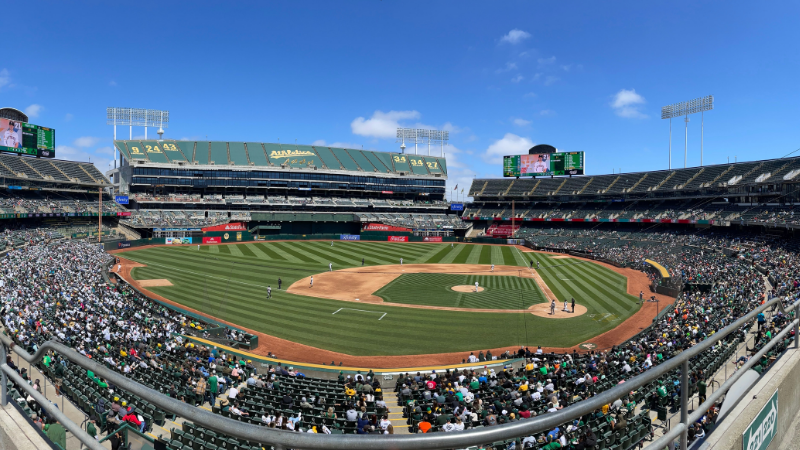
That applies to the big football sporting event as well:
Local data shows only 11.7 per cent of residents plan to watch matches in bars and pubs and 6.4 per cent in restaurants.
But those venues can see significant spikes during key matches.
For businesses, the lesson is clear: plan for spikes, not averages. Align staffing and inventory with high-interest windows and prepare for surges rather than gradual increases.
Whenever spending spikes, risk increases.
Data shows:
65 per cent of reported fraud cases are card-not-present transactions.
In British Columbia, fraud cases rose 92 per cent year over year, significantly higher than the national trend.
Common patterns during major events include rushed or manual transactions, multiple high-value purchases in short windows and refund abuse after peak periods.
The goal is not to slow service. It is to protect revenue without adding friction.
The biggest takeaway from past events is simple: opportunity is real, but unevenly distributed. Businesses that benefit most tend to plan capacity in advance across staffing, inventory and hours, make checkout fast and friction-free, prepare staff for both demand and risk and understand when and where peaks will occur.
Large events do not automatically benefit every business. Preparation determines who captures the upside.
At Moneris, we help Canadian businesses prepare for these moments using real transaction data and on-the-ground insights.
We support businesses with:
Commerce insights to understand when and where demand will spike
Payment solutions that reduce friction for both local and international customers
Fraud prevention tools and guidance to protect revenue during high-volume periods
Whether you are a restaurant, retailer or hotel, having the right setup in place makes the difference between being overwhelmed and being ready.
________________________________________________________________________________
How do large-scale events affect local businesses?
They increase spending across an entire city, not just at event venues. In some cases, total spending can grow by triple digits during peak periods.
How should businesses prepare for a major event?
Focus on staffing, inventory and checkout readiness. Align operations with peak event times and ensure payment systems can handle higher volumes.
Do large events increase fraud risk?
Yes. Fraud risk rises alongside transaction volume, especially card-not-present activity, which accounts for most reported cases.
What types of businesses benefit most?
Restaurants, fast food, bakeries, convenience stores and apparel retailers typically see the strongest lifts, especially during time-constrained periods.
Why is foreign spending important?
International visitors drive a significant share of event-related growth, with foreign spend increasing up to exponentially (as seen in Vancouver and Toronto – up to 145 per cent) in some categories. Turn more international shoppers into buyers. Add Moneris Dynamic Currency Conversion at checkout and show prices in your customers’ home currency. You reduce surprises, build trust, and increase completed sales.
How can Moneris help my business prepare for a large-scale event?
Moneris provides secure payment terminals built for high-volume environments, real-time transaction insights to help businesses understand spending patterns and fraud prevention tools designed to protect revenue without slowing checkout. Talk to a Moneris advisor to build a preparation plan tailored to your business.
________________________________________________________________________________
Moneris data disclaimer: Spend data insights are derived from aggregated, anonymized Moneris transaction data (Taylor Swift Eras Tour, week-over-week comparisons). Polling data sourced from Angus Reid Group x Moneris, Consumer Spending Trends W3 (Q46), 2026; unweighted n=1,001. Fraud data sourced from Moneris Fraud Prevention Month reporting (reported cases and CNP share). These insights are intended to provide directional context on broad Canadian commerce trends. They are not measures of individual business performance or economic outcomes.

Get practical insight into Small Business Month in Canada, including October 2026 timing, Small Business Week in Canada and how owners can take part.
A practical guide for small retailers on stock control, reorder points, carrying cost, shrinkage and the role of a POS inventory management system.

Canadian small businesses are winning on TikTok. Learn what to post, how often, how to get found in TikTok search and why TikTok Shop is not here yet.

Accessibility requirements Canadian storefronts and websites need to meet
This guide explains AODA compliance, Ontario storefront rules, website accessibility duties and checkout accessibility steps for Canadian small businesses.