


Growth Strategies
Here’s why blogs are still relevant in 2026
Let’s explore why blogging is important for your business.

In Quebec, Moving Day is not just busy, it’s compressed. Most residential leases end on June 301, which pushes a province-wide wave of relocations into July 1 and turns streets, sidewalks and apartment entrances into temporary zones of urgency.
For merchants, that creates a short, high-intent selling window. People are tired. They’re carrying boxes. They need to feed themselves and their kind helpers. They forgot something. They need it now.
This is not browsing time. It’s a “solve-my-problem-fast” moment.
And that changes what sells.
For example, small businesses can benefit from the pattern by simply knowing where the rental clusters are, when trucks arrive and what problems emerge first. Labour and inventory should follow urgency, not visibility alone.
The opportunity is real. Now, let’s look at how to make it work for you.
The July 1 rush rewards businesses that stay close to customers, fast and practical. According to the Government of Quebec, more than 180,000 “Québécois” move on average2 around July 1 each year—and while exact totals vary, Canadian reporting consistently describes a mass, province-wide movement of households concentrated into a single day3, helping explain why demand spikes so sharply in such a narrow window.
What buyers want on July 1:
Customers on Moving Day buy relief first and variety second. Your best sellers will solve a problem that can’t wait an hour. Broad inventory slows down decision-making, while tight bundles increase speed, conversion and average order value.
Examples of high-performing, but simple offers:
A merchant near apartment buildings will often do better with five essential items than with 50 products that slow decisions.
Think:
Service-based businesses can also win on Moving Day by offering simple, fast bundles. Think flat-rate options like a “move-out clean,” “quick fix visit” or same-day setup bookings. Like product bundles, these offers reduce friction and help customers say yes quickly.
On this day, checkout should happen exactly where the product and the problem meet, not at a fixed table a few steps away.
Good spots to target:
Moneris offers solutions for this kind of flexible, curbside selling, such as Moneris Go Terminal, which connects via wireless or mobile data and Moneris Total Commerce, an all-in-one platform that connects in-store, online and mobile payments in one seamless system.
These solutions are compact, quick to set up and built to reach customers wherever they are. Staff can accept payments on the spot, reducing the need to direct customers to a fixed checkout and enabling line busting with a second terminal to keep queues moving faster.
Moneris also supports speed and reliability, on top of:
With a device, a phone and a charger, you’re ready to sell—no counter required—and keep every quick, high-intent sale within reach.
Connectivity is easy to overlook—until it fails. In Quebec, gaps remain: large areas still lack a reliable signal, even as more than 150 new cell sites are being built to improve coverage by 2026, especially outside major urban centres, highlighting how fragile connectivity can be when demand peaks.4
That means backup solutions still matter.
Smart backup moves:
A weak signal should change your placement, not end your day.
Peak hours expose small mistakes that quietly cut sales. Most of them are preventable. Prices go missing. Batteries die. Staff ask too many questions while movers block the curb. A short pre-opening check will save more sales than a last-minute discount.
Teams usually stumble on the same five issues, and each one slows a customer who already feels pressed for time.
The fix, keep the setup almost boring:
Tight execution gives customers a calmer and better purchase experience at a stressful moment.
The sale should not end when the truck pulls away. A rushed July 1 transaction can become repeat local business if you make the next step easy.
Simple follow-up plays:
Small follow-up actions can turn one chaotic day into a usable list of local customers.
Quebec Moving Day rewards speed and simplicity. The winners aren’t the biggest setups; they’re the easiest to buy from—and having payment solutions built to sell anywhere in Quebec can make all the difference.
On July 1:
With Moneris, you can take payments anywhere, keep lines moving and stay ready for busy pop-up moments, which turn a one-day rush into repeat neighbourhood business.
Footnotes:
1 https://www.tal.gouv.qc.ca/en/news/moving-day-july-1-2018
3 https://www.thecanadianpressnews.ca/business/quebecs-traditional-moving-day-arrives-as-thousands-still-looking-for-new-homes/article_f255b884-5dcd-53db-b21e-9f86688d0b92.html

Growth Strategies
Let’s explore why blogging is important for your business.
Growth Strategies
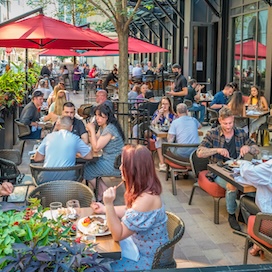
Prepare your restaurant patio for summer 2026 with practical ideas to increase seating, improve service, and attract more diners during peak season.

Growth Strategies
Get practical insight into Moving Day, why it matters in Quebec and which payment setup fits short-term sales.

Growth Strategies
Learn how connected reporting helps multi-location retailers review transactions by store and reconcile payments more easily.